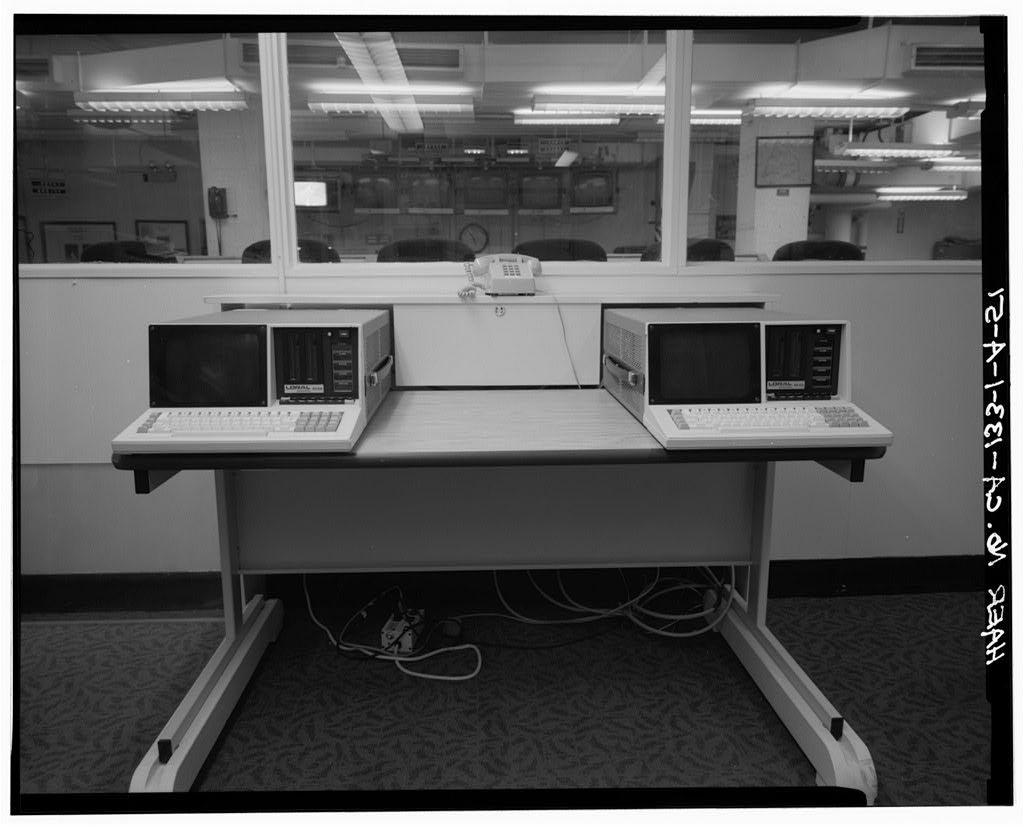


Before the Internet, I went to the Westfall Branch Library. The Sunday comics were a weekly highlight. Finishing and developing a roll of film left me in suspense. I read magazines. I regularly listened to FM and AM radio and recorded shows and songs on tape. I would copy rare VHS tapes from Blockbuster and watch them with friends.
My parents bought me two magazine subscriptions. The first one was Nickelodeon Magazine. The second one was 3-2-1 Contact, and this magazine left a lasting impression on me. It was an educational magazine for kids about science, media, the earth, and emerging things like the internet. I read it cover-to-cover.
3-2-1 Contact told me about my wild world, revealing human creativity and the species we shared the planet with. It also showed me how celebrities would endorse products in other countries to protect their image in the United States, e.g., Lost in Translation.
3-2-1 Contact is why I didn’t fear the advent of the Internet and new technology. I knew about Y2K before adults did, and I didn’t fear it on December 31, 1999. It’s also why I knew the internet would change the world, and I didn’t worry about it. I was excited about it.
At the time, movies like The Lawnmower Man, The Net, and Strangeland pandered to the fears of moviegoers, depicting the internet as a place of danger. They weren’t wrong in some respects but were chiefly sensational and ridiculous. 3-2-1 Contact prepared me for the hype.
Before the internet, people were judged by the quality of navigation directions. You were a social pariah if you couldn’t give reliable directions to your house over the phone, in person, or on paper—or if you couldn’t follow them. All the internet did was place the blame on Apple Maps. People were afraid of new things then, such as new things now, e.g., ChatGPT. I’m still not scared. Same story. New tech.
People thought that the internet would send us into the information age. Yet, as we observe the market behaviors of internet booms, busts, tycoons, and consumers, we can find that the internet is an advancement of the industrial age, which we still occupy. It’s all the same story of the 19th and 20th centuries with 21st-century developments and complications.
The theme here is that life before the internet was still a life of media, just in different forms and slower. The internet didn’t invent anything new; it was an inventive way of electrifying what we were already doing.
I spend less time on the Internet and use it for specific purposes. Otherwise, I sit at Westfall Branch Library, reading books instead. It’s easier to take refuge in a library.
 Dom the Writer
Leave a comment